Reimagining the Oldest Game Ever
Found the Royal Game of Ur during my trip to Iraq, rebuilt it as Ur Mama’s Favorite Game
2025
•
Baghdad, Iraq / KL, Malaysia
•
Independent Work
Highlights
A modern adaptation of the earliest known board game
"Ur Mama’s Favorite Game” - a pun on the ancient city of Ur
The idea was born during a month-long stay in Baghdad as a digital nomad
Created solo including all UI, sound effects, music, rules, coding and text
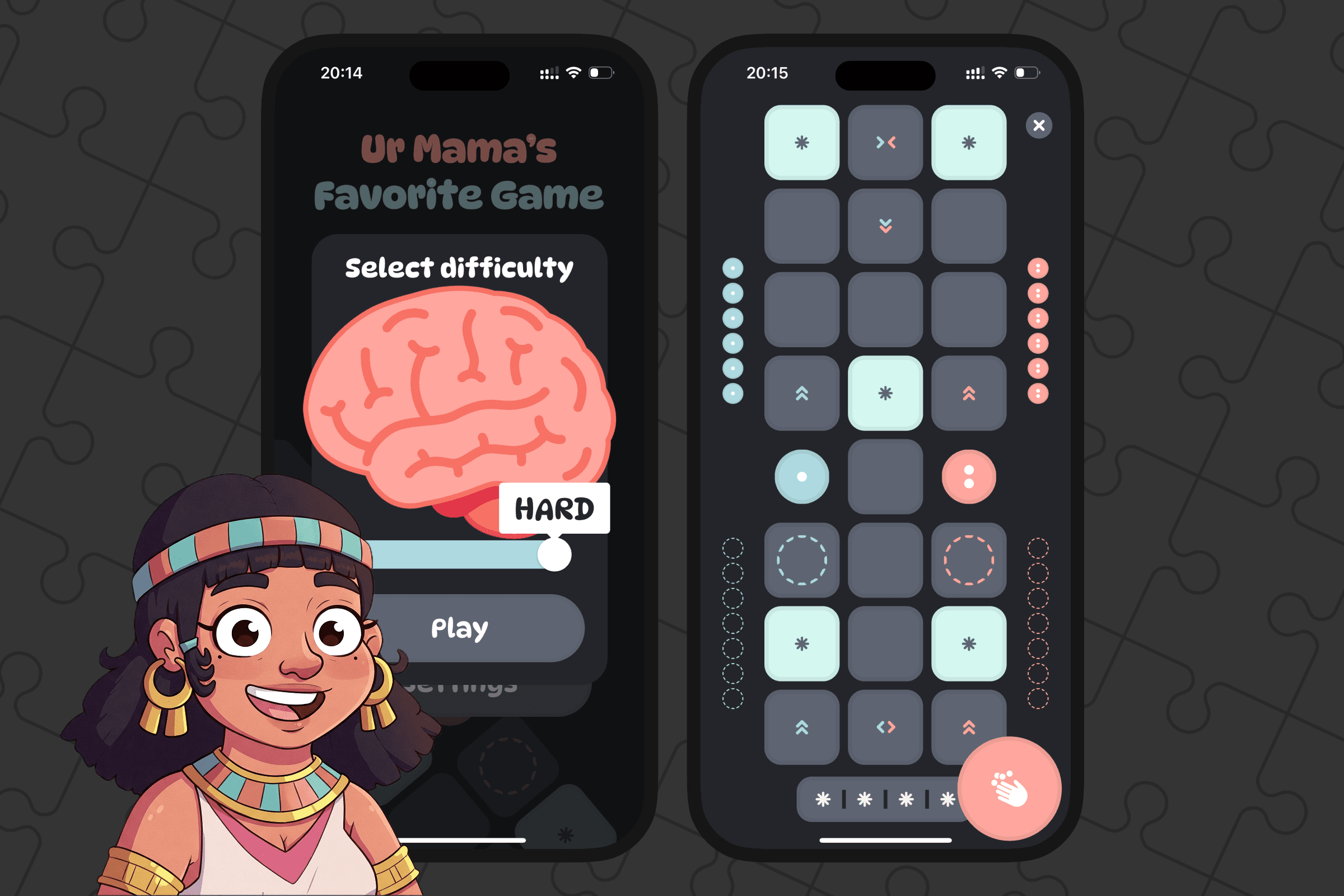
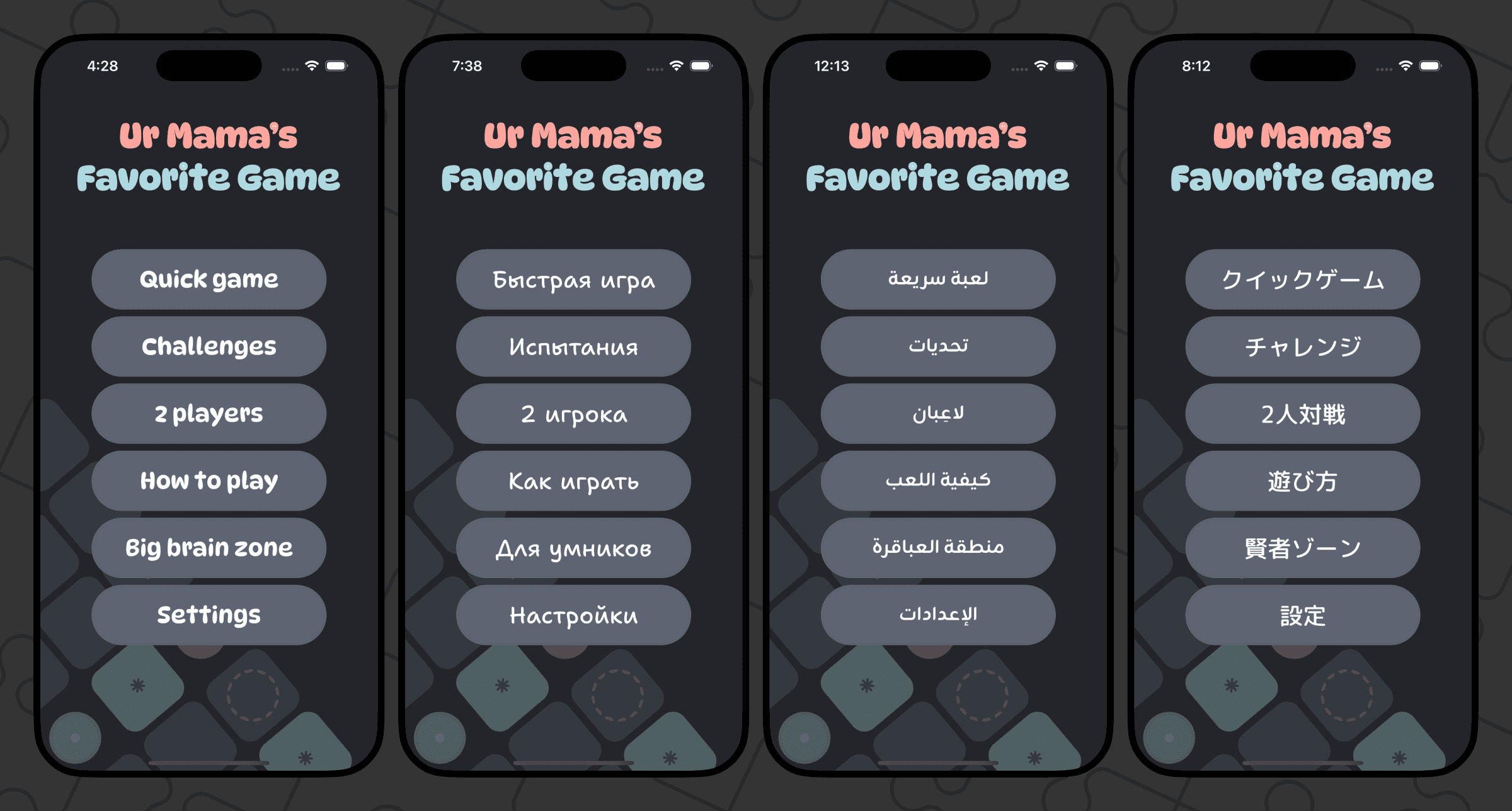
No words or numbers, color-blind-friendly, and playable from any orientation
AI opponents, local two-player and puzzle challenge modes
Developed in Flutter to run on iOS, Android, macOS, and iPadOS
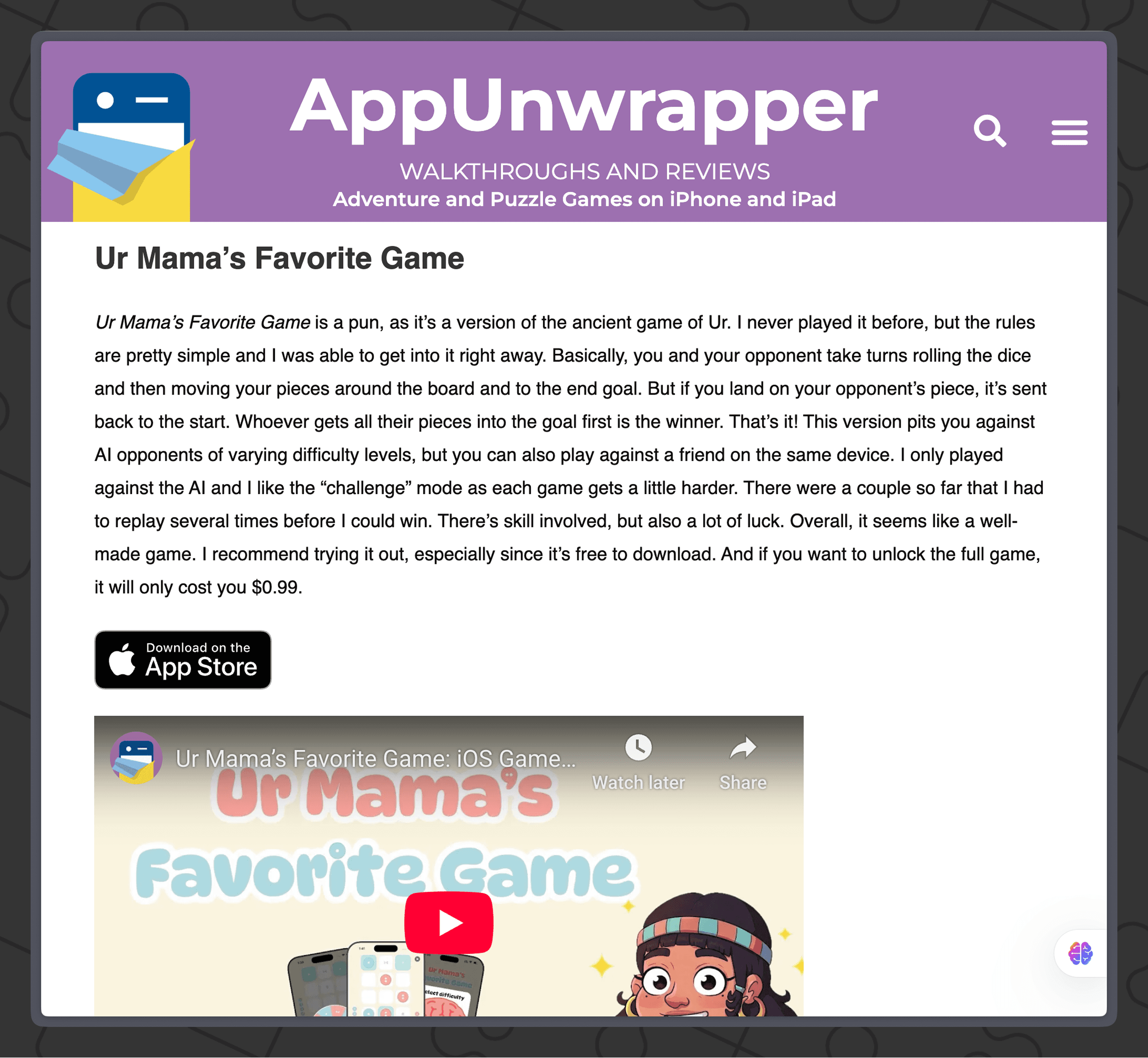
Highlighted by creators online and reviewed by AppUnwrapper
I spent a month in Baghdad as a digital nomad and ended up discovering the Royal Game of Ur. Found in a 4,500-year-old Sumerian tomb in the city of Ur, it’s the earliest known board game with documented rules, carved on clay tablets.
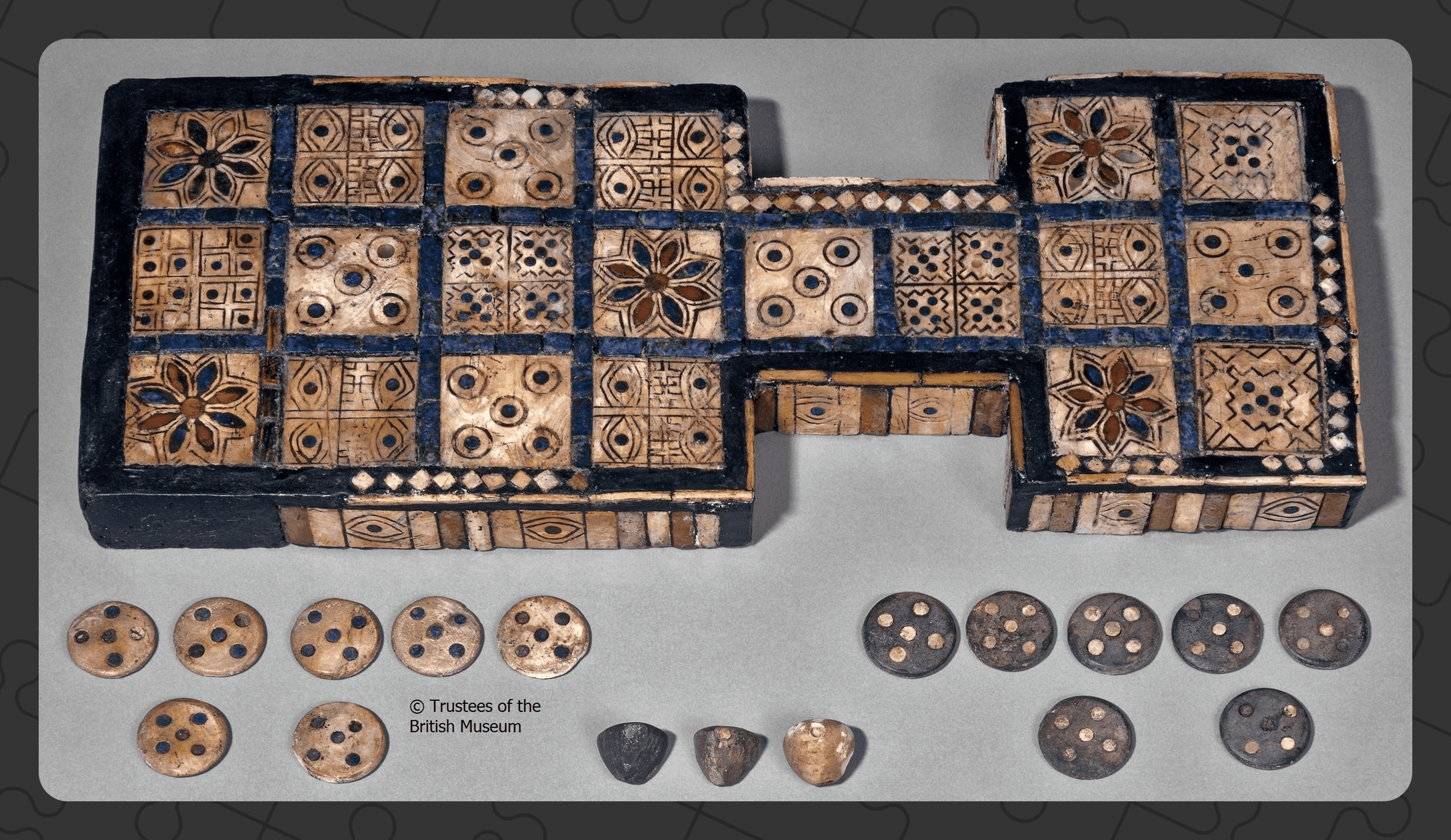
Sumerians gave us many things including writing, the wheel, the calendar, and the 60-minute hour - but something about this simple game fascinated me more than any of those. It was simple, social, and timeless. I wanted to make it playable again - not as a relic, but as something people could still enjoy today.
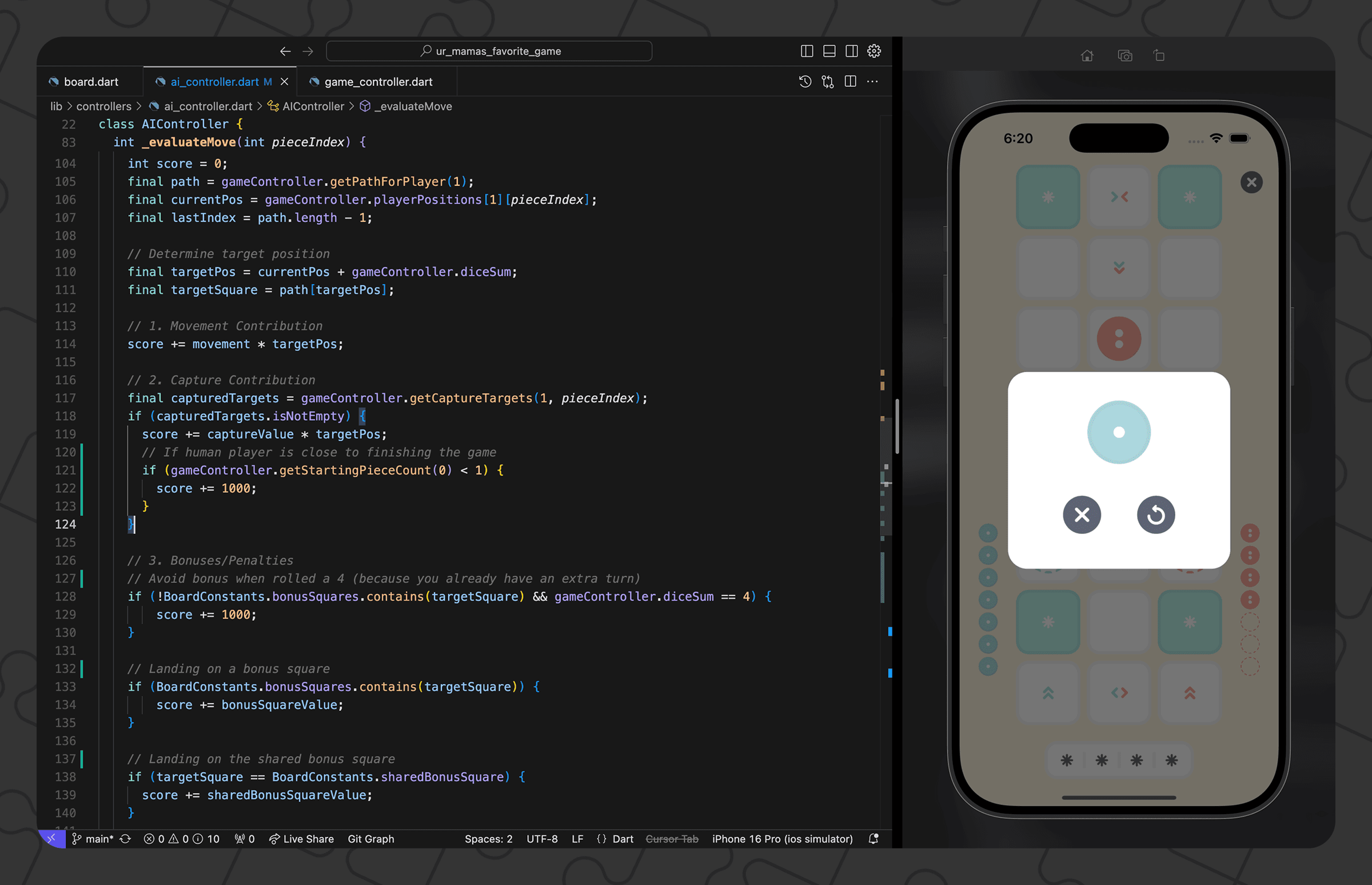
So I built it. Using Flutter for development, Figma for UI, and Chrome Music Lab for sound design, I recreated the Royal Game of Ur for modern devices. I called it Ur Mama’s Favorite Game.

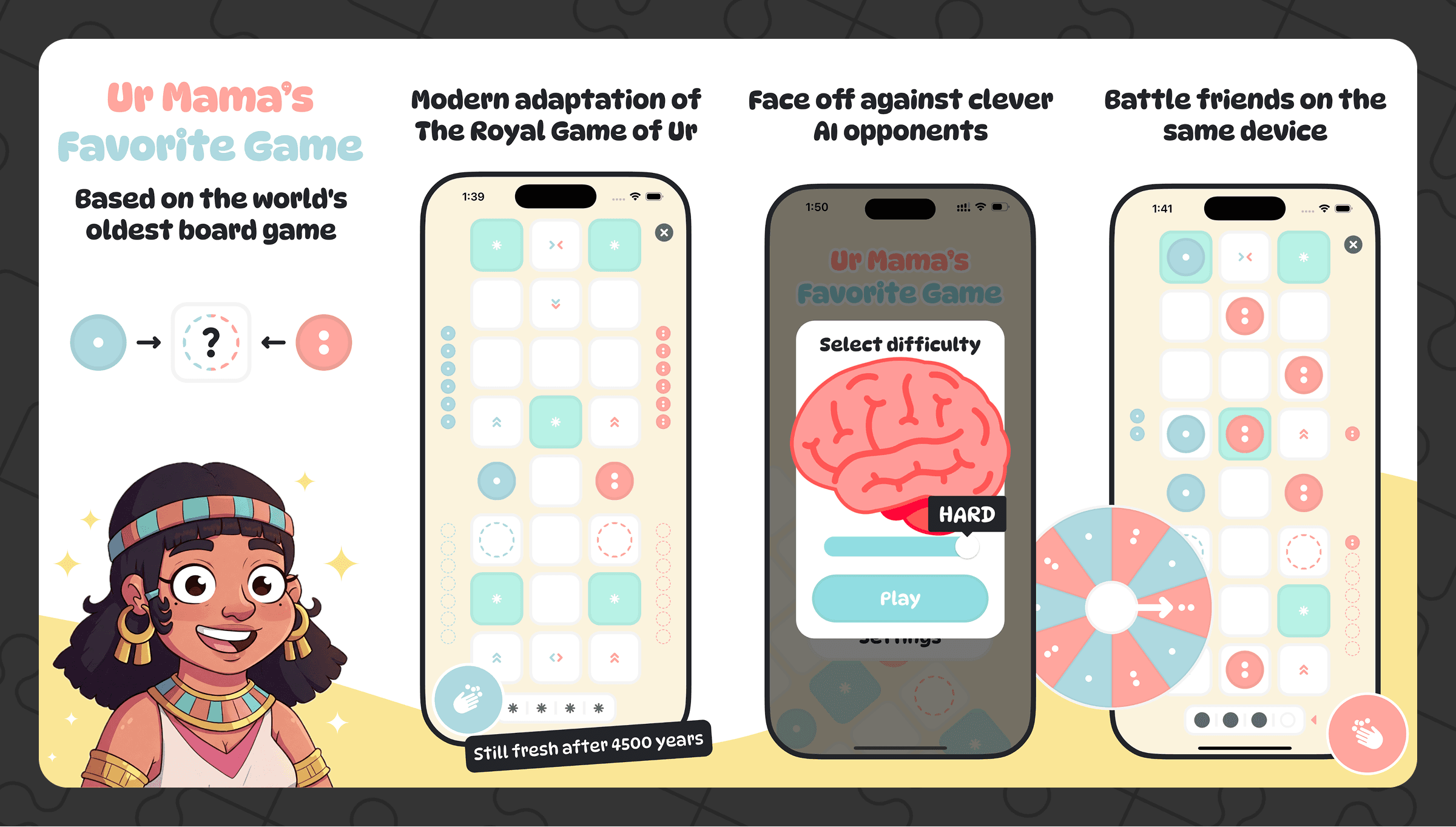
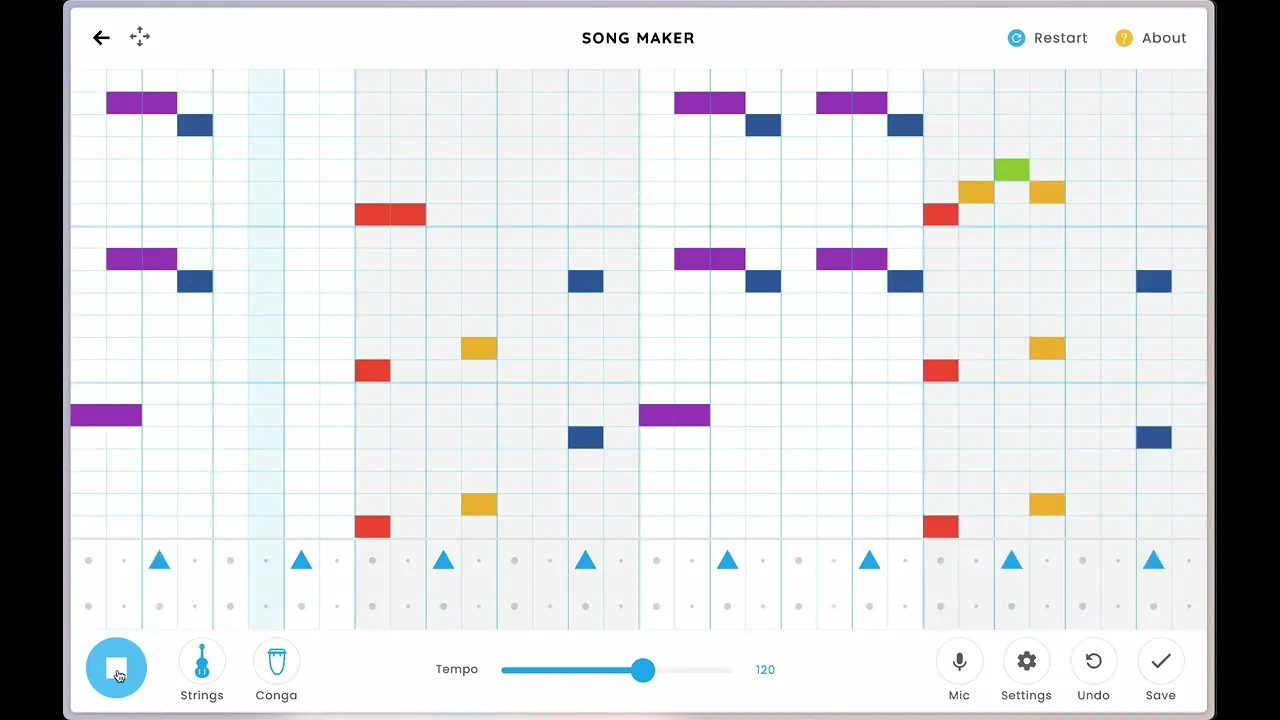
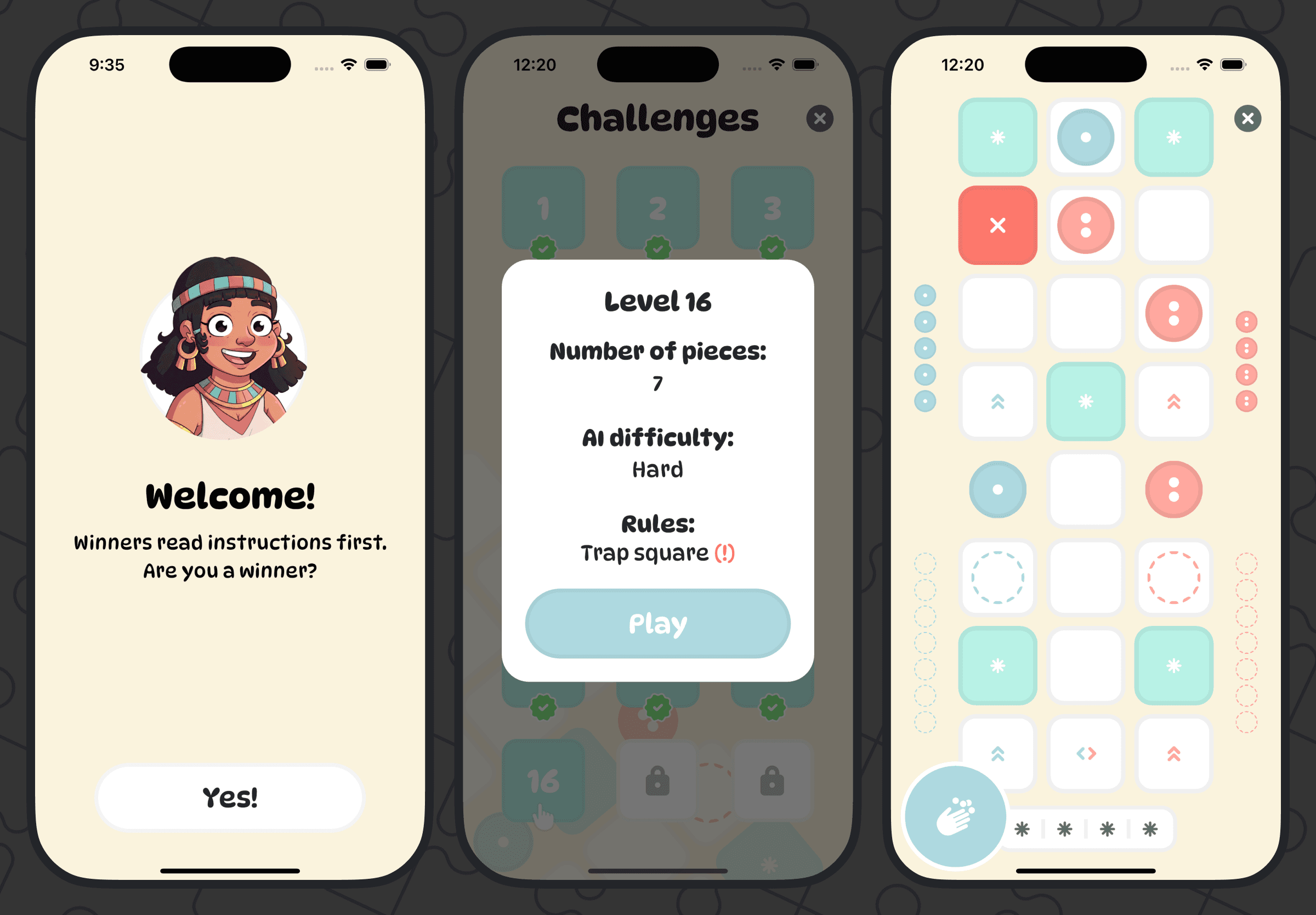
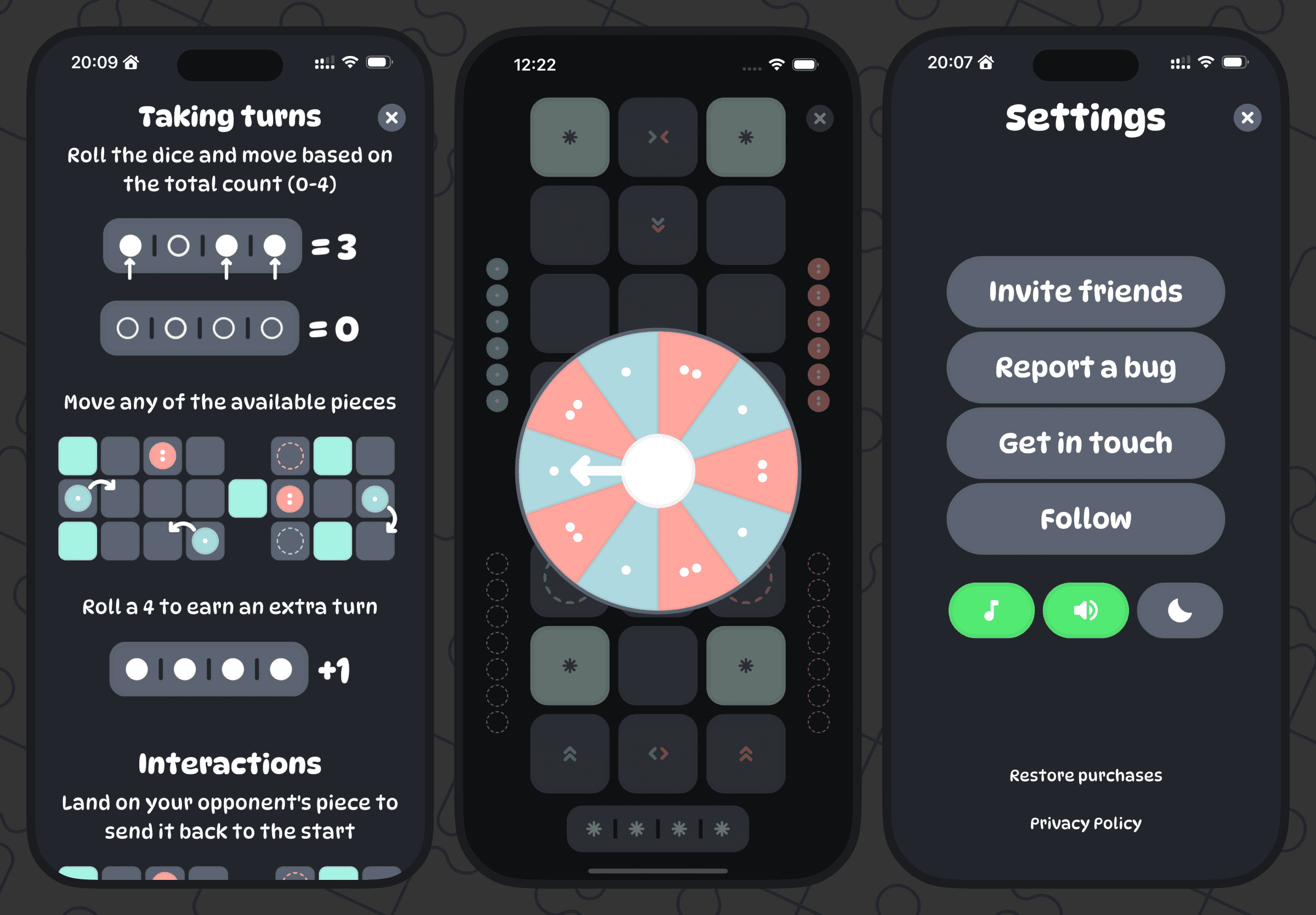
Every detail mattered: a text-free interface that works from any rotation or side, colorblind-friendly visuals, and music to match the mood of the game. I programmed AI opponents with adjustable difficulty, built a binary dice system faithful to the original mechanics, adjusted the rules to speed up gameplay, and created special puzzle challenges.
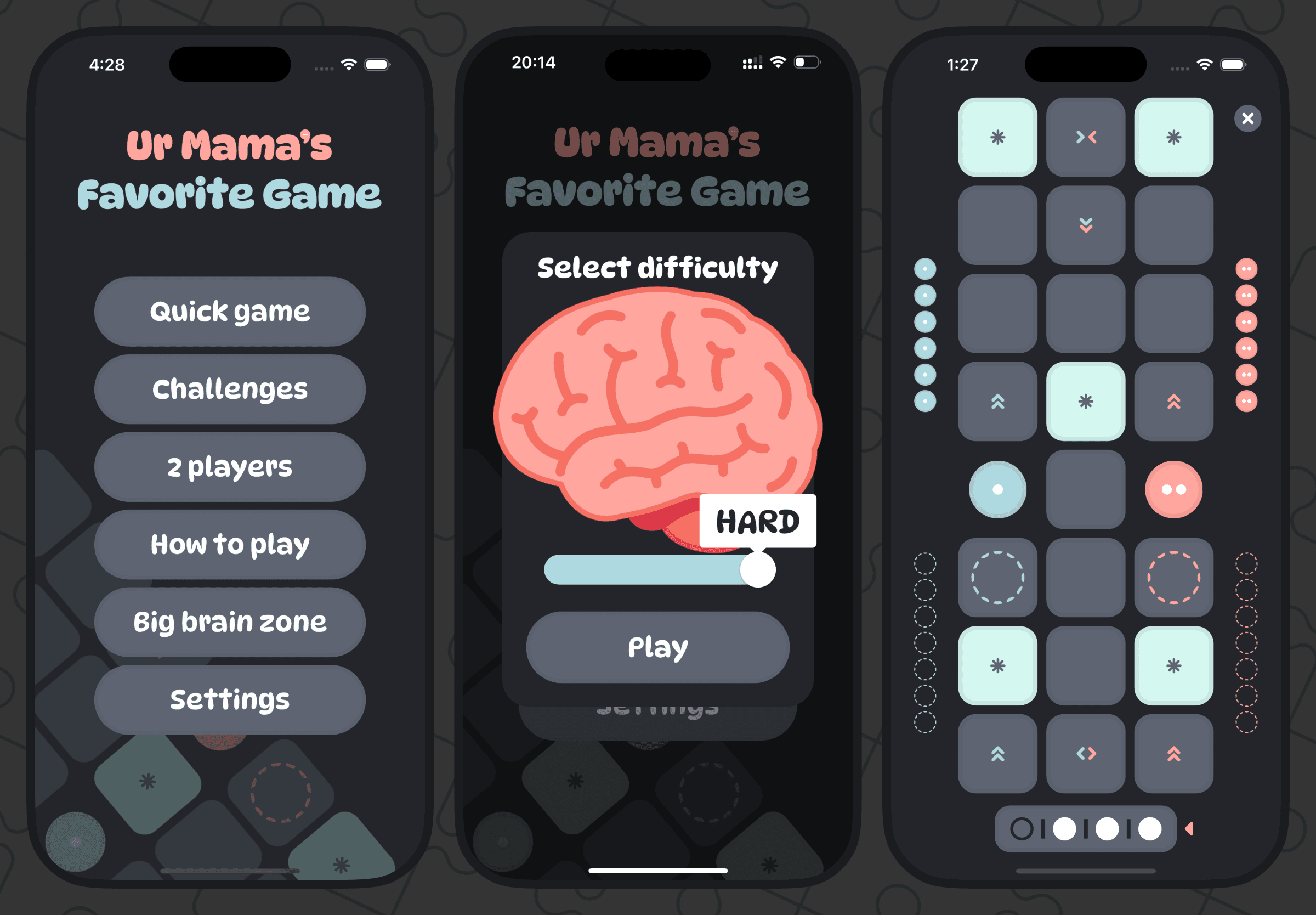
The game supports both light and dark modes, adapting its colors and atmosphere to the player’s preference. I also paid special attention to haptic feedback - each game event has a distinct vibration pattern, strength, and duration. Tapping a button, rolling the dice, capturing an opponent’s piece, or reaching the end square all feel slightly different. It adds a subtle but satisfying physical layer to the experience.
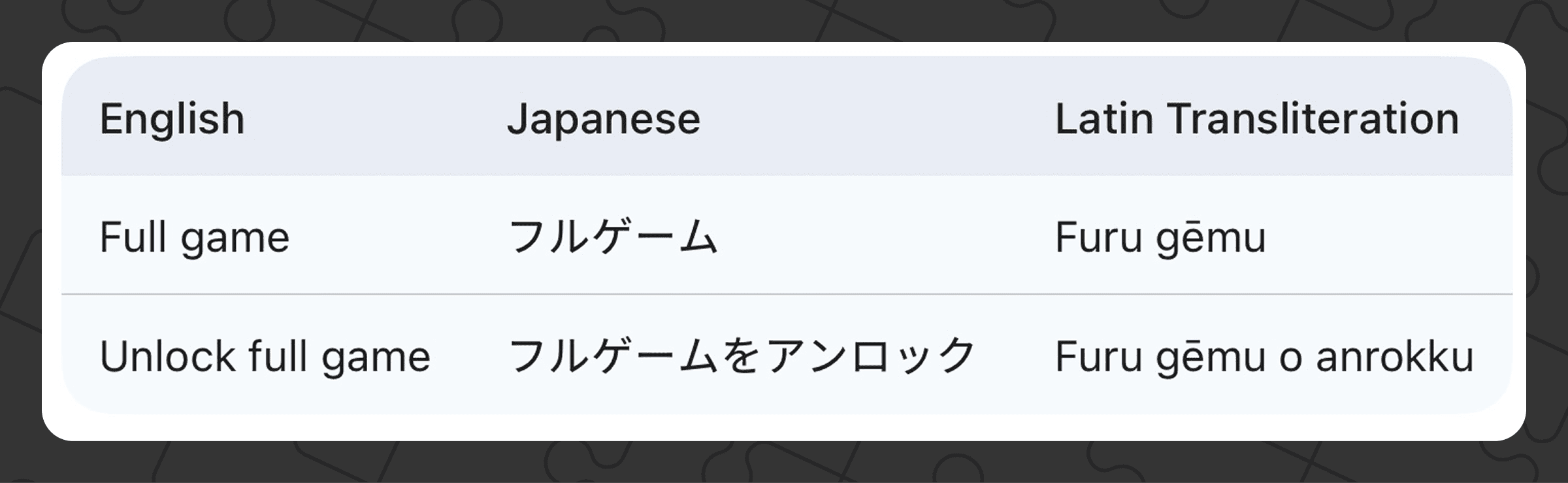
I localized the game into 15+ languages - partly out of curiosity to see how it felt in different scripts like Cyrillic, Arabic, Chinese, and how well AI could translate UI.
It became a quiet passion project - more historical tribute than commercial pursuit, though it still earned some in-app purchase revenue. The game caught attention from mobile reviewers and Threads creators, but the real reward was personal: bringing a 4,500-year-old design back to life with modern tools, and realizing how little the essence of play has changed.
Working on a mobile game alone taught me a few key differences from app development so far:
No MVP - games need to be fun from the start
Sound design and music are part of the job
Testing = playing the same game over and over
I also realized that making apps is easier than games. Apps solve real problems. They face less competition, and people are happy to pay when you solve something that truly matters. With games, you’re competing with every form of entertainment out there. But an app can stand out with just one clever idea or a unique design.