Leading Product Design for a Global Smart Office Platform
From shipping features to improving how design works in the company
2026
•
Prague, Czechia / Dubai, UAE
•
On-site / Remote
Highlights
Grew from Senior Product Designer to Design Lead
Worked on iOS, Android, web, tablets, and booking systems
Built and scaled a design system
Migrated the entire product team to Figma
Improved design operations (testing, prototyping, QA, task management)
Designed features used by enterprise clients (Warner Music, Nvidia, Vodafone)
Worked on AI and office analytics, bookings, navigation, smart hardware, and more
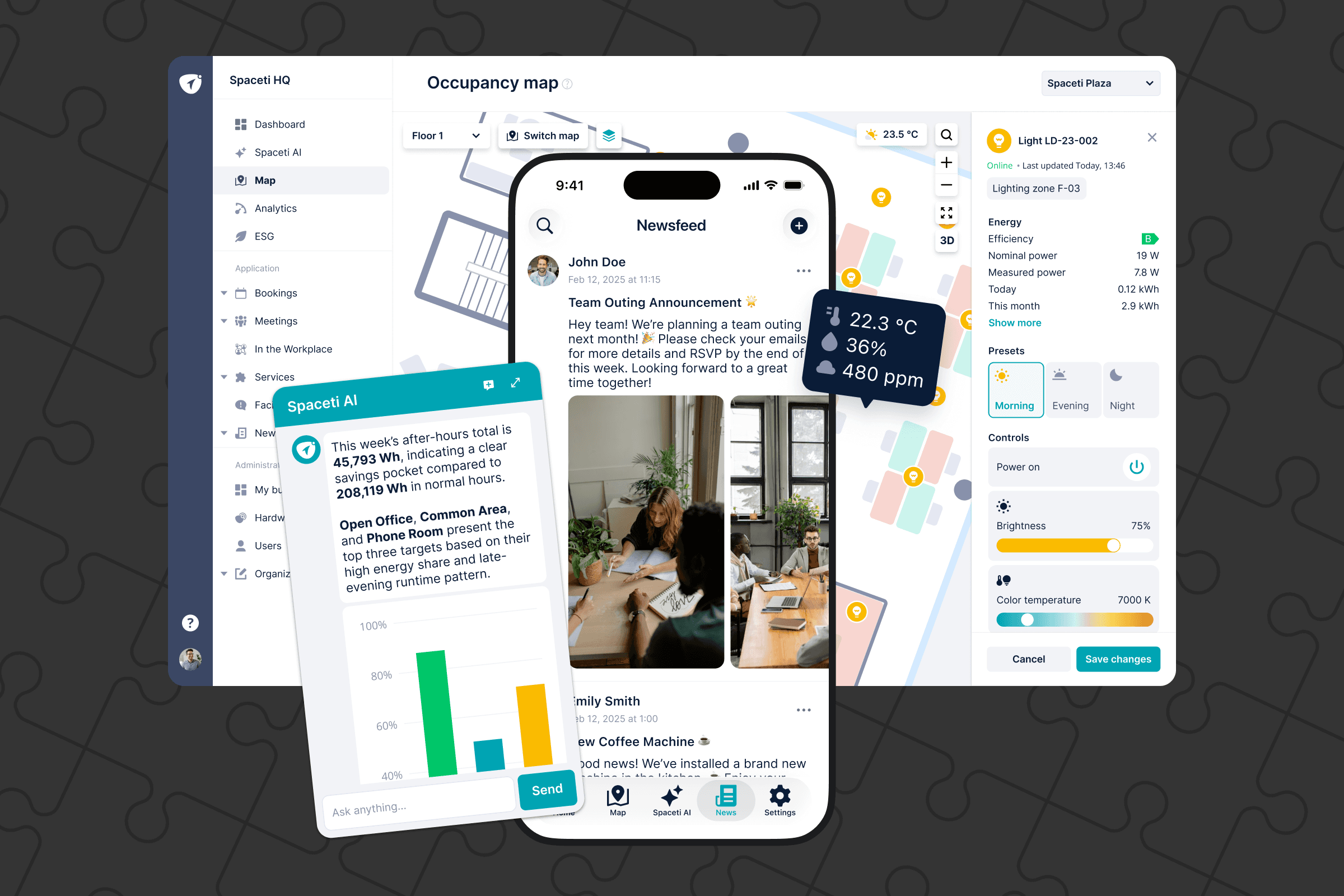
Spaceti is a smart workplace platform, it brings together mobile apps, web apps, tablets, booking systems, and physical hardware into a single ecosystem.
I joined as a senior designer and gradually grew into the design lead role. Over time, I worked on core product features as well as custom solutions for large enterprise clients such as Warner Music, Nvidia, Neom, and Vodafone.
Designing across platforms
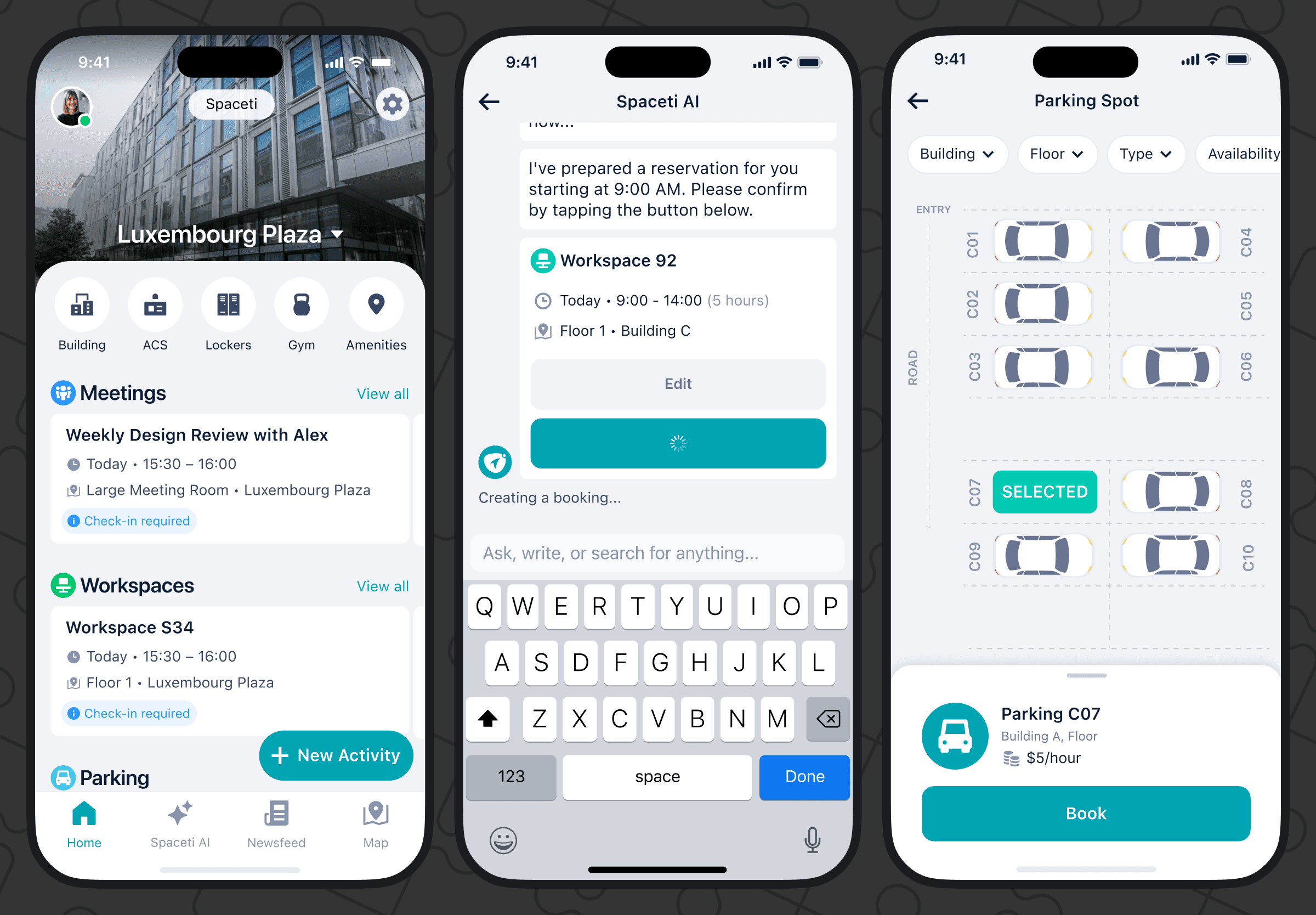
My main focus was the mobile app (iOS & Android) and the web app, but the product extended far beyond that. I also designed experiences for desk booking panels, meeting room displays, digital reception, admin dashboards, and other supporting tools.
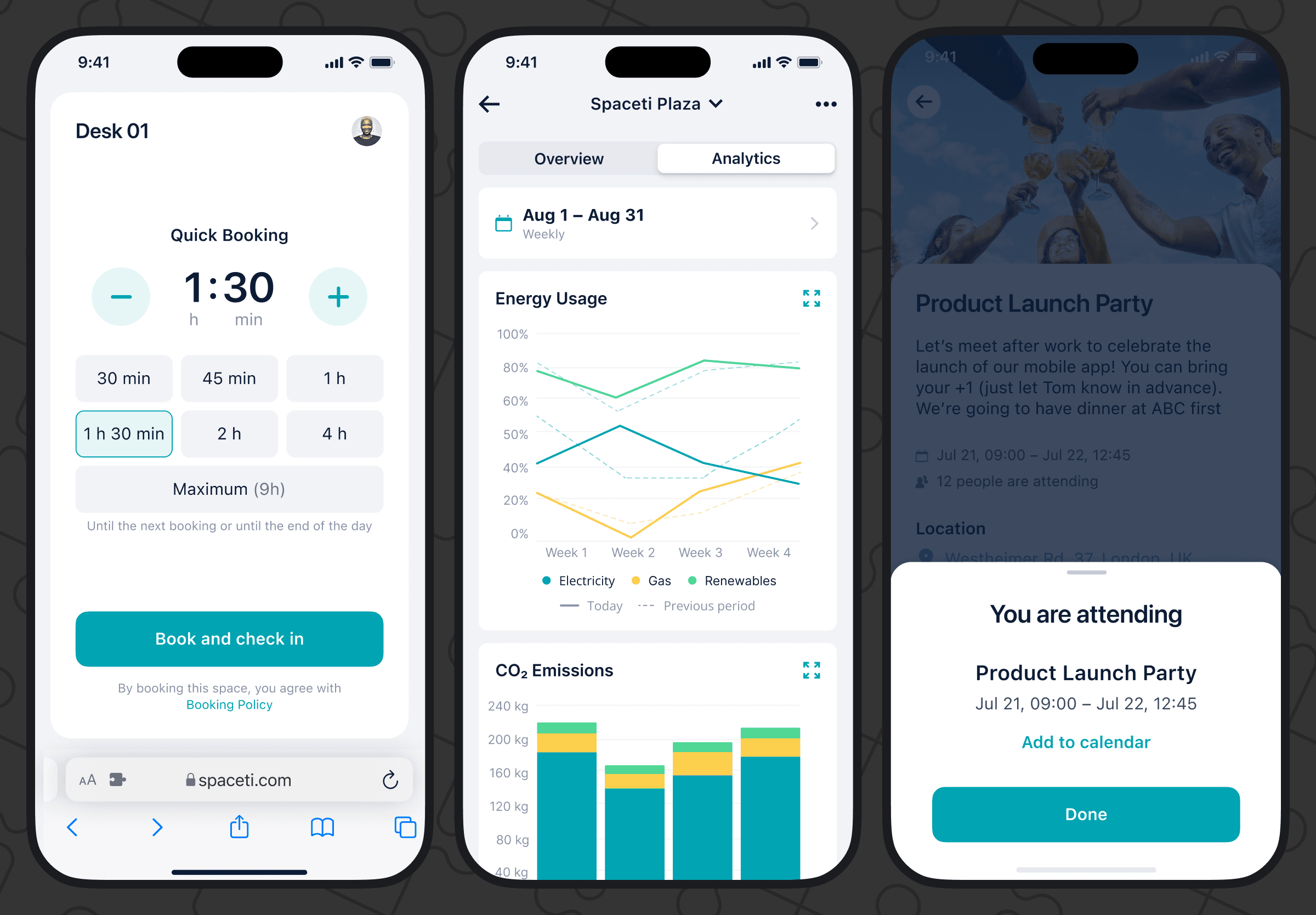
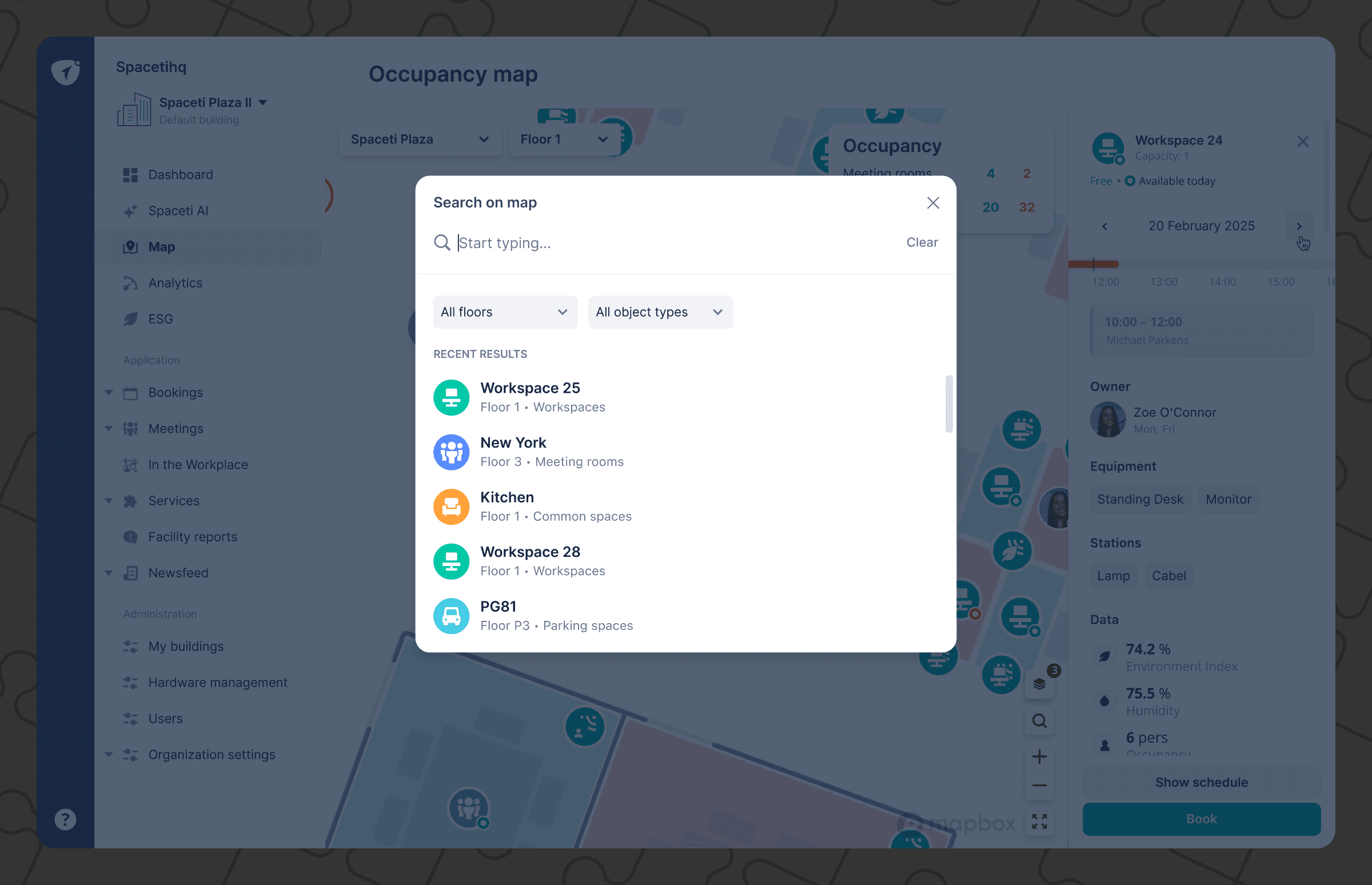
I worked on a wide range of features, including:
AI assistant and automated reports
Office and AI-driven analytics
Parking booking and live availability
Smart office lockers
Desk and meeting room booking
Recording studio booking
Newsfeed and internal communication
Event management
Residential building management
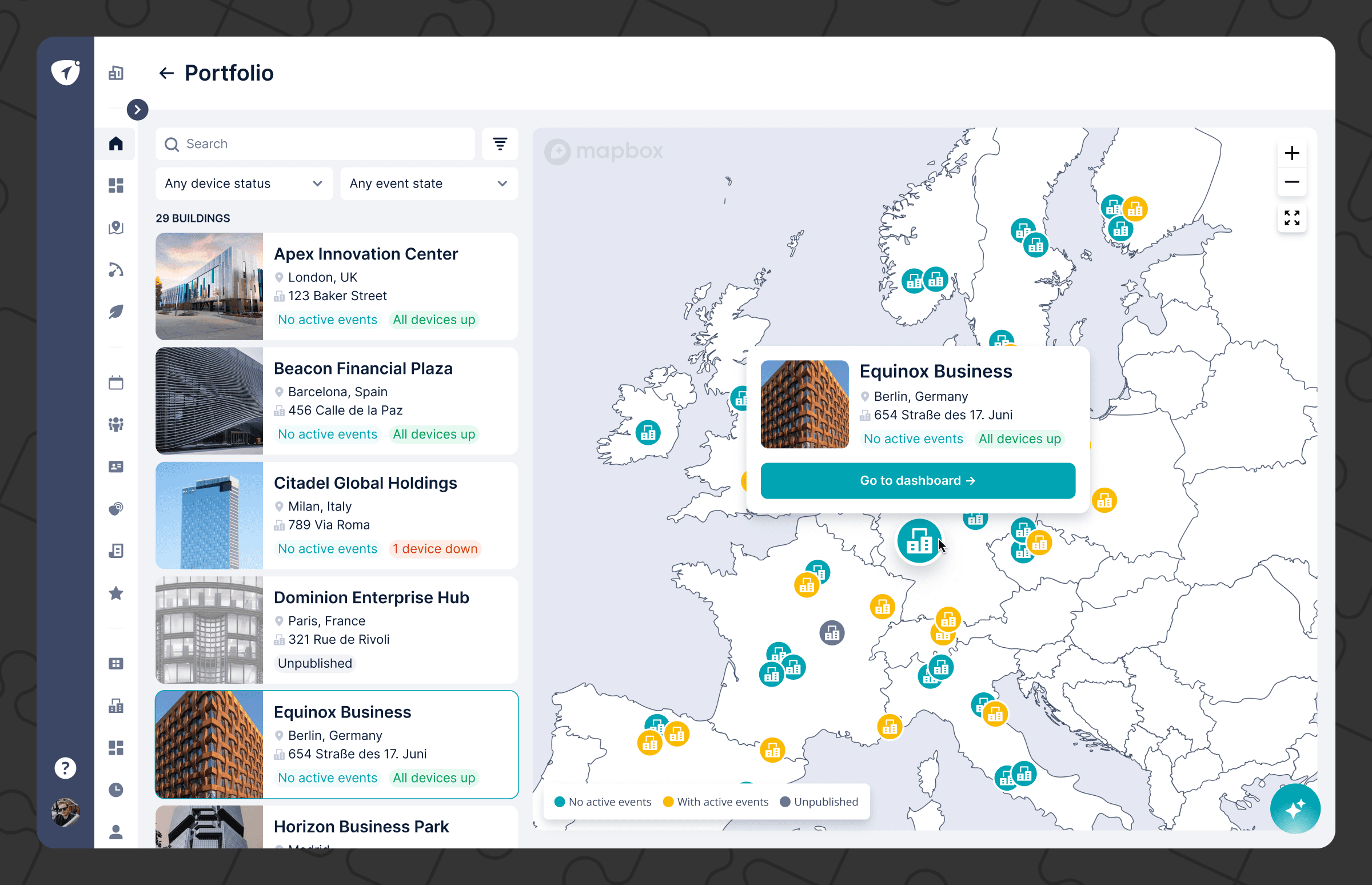
Each feature wasn’t just a screen. It had to fit into a larger system used daily by thousands of people in real buildings.
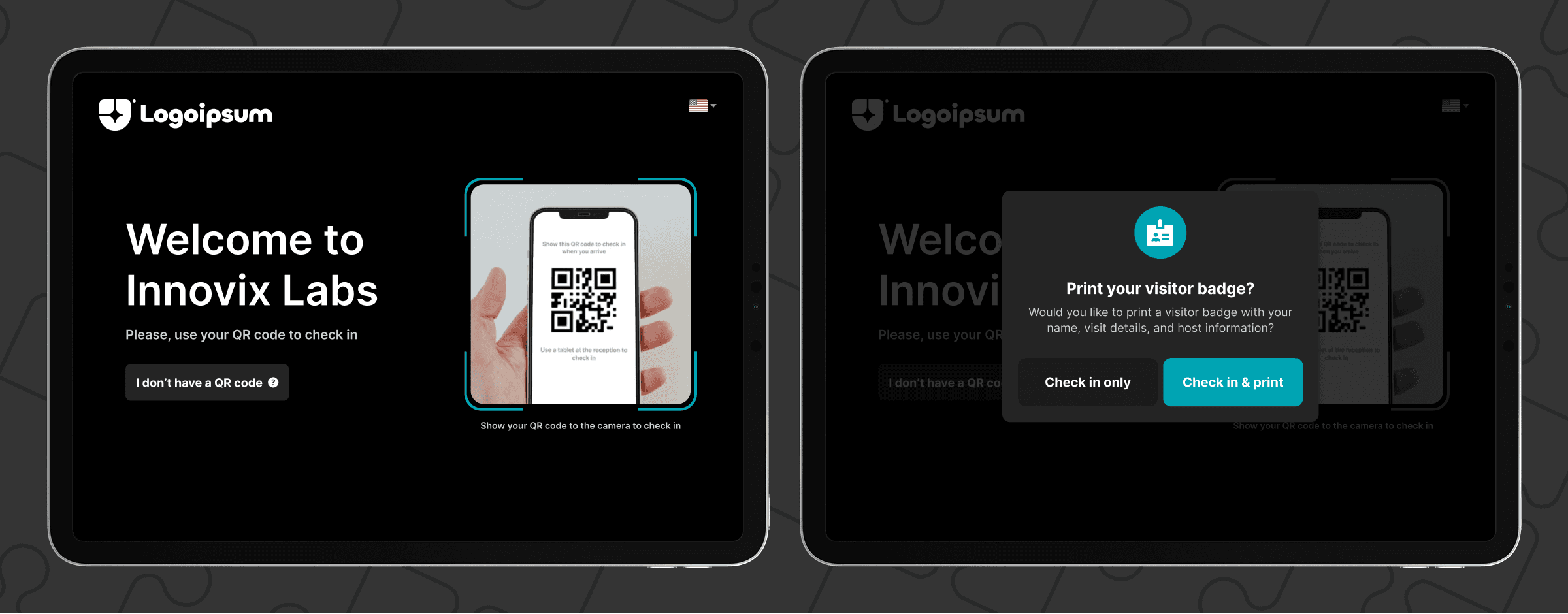
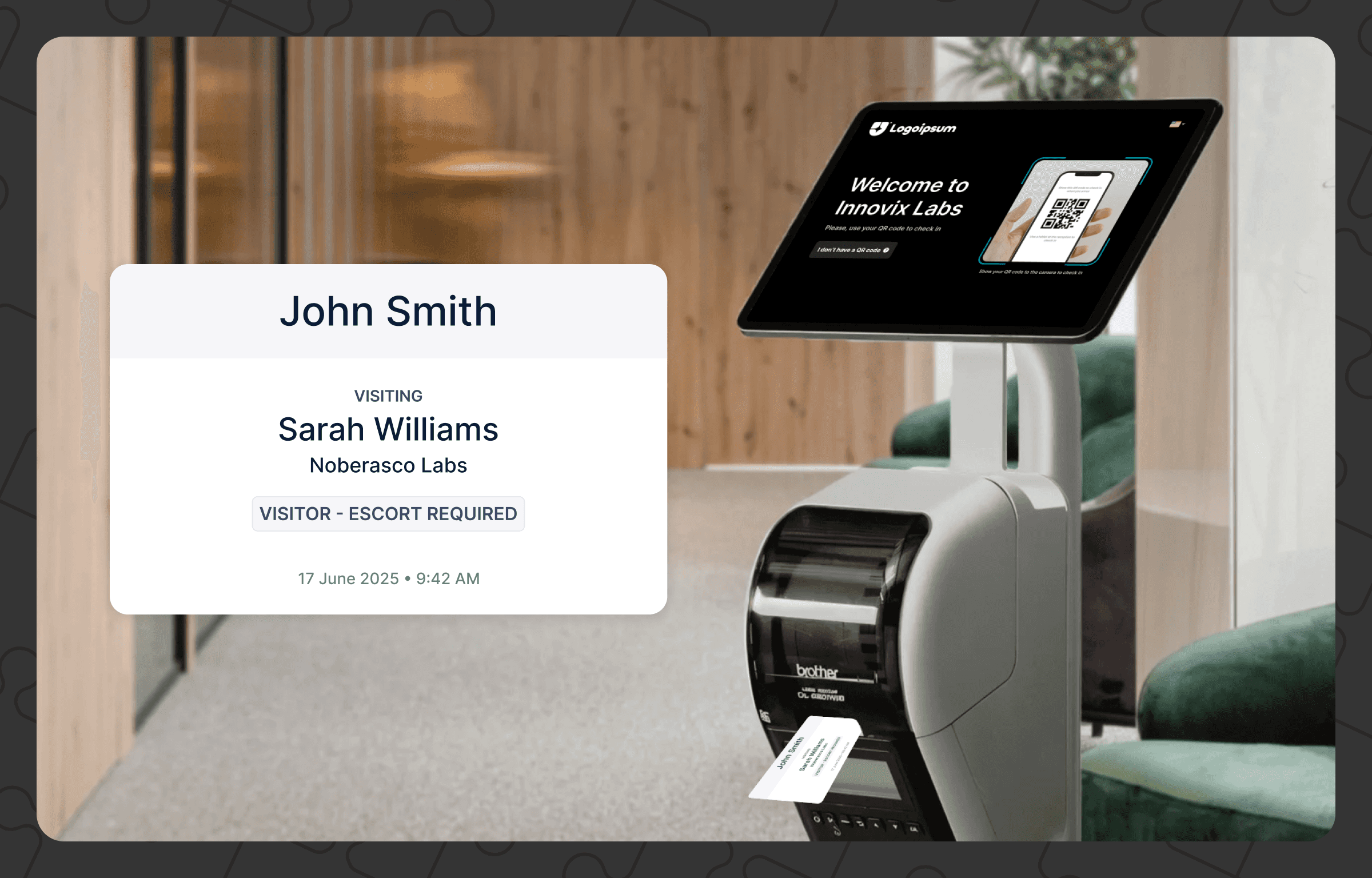
I also designed Spaceti’s Digital Reception from scratch - a tablet app used at office entrances. It replaces the traditional front desk with a clear, self-service flow. Guests check in by scanning a QR code from their invitation email, instantly notifying hosts and guiding visitors through the entry process.
Building the design system
When I joined, the product suffered from visual inconsistencies, slow iteration, and designs that were hard to change without breaking other parts of the UI. Scaling the product this way wasn’t sustainable.
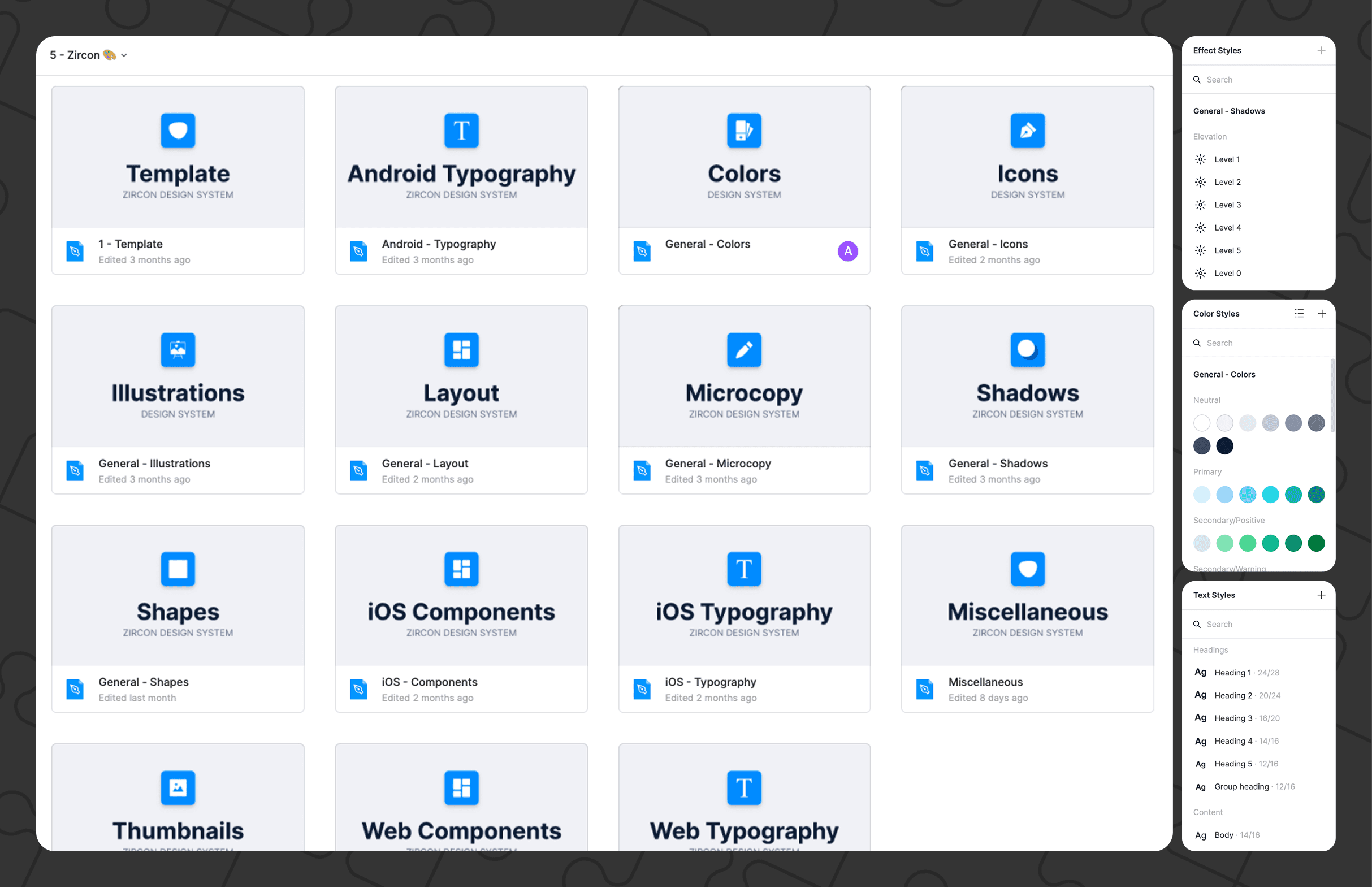
I built and continuously evolved a design system based on atomic design principles - starting from the smallest reusable building blocks and composing everything from there.
I defined:
A structured color system with shades and tints
Typography scales and clear usage rules
Spacing, corner radius, and shadow systems
Interactive states and component behavior
Components built to handle variations without duplication
Iconography and shared visual assets
The goal was speed, consistency, and long-term flexibility.
Improving design operations
I led the full migration to Figma, establishing a shared system, real-time collaboration, and a single source of truth for design across the company.
Alongside systems and tools, I improved how the team worked day-to-day by introducing clear, mandatory stages into the design process:
Early prototyping instead of pixel-first design
Regular user testing
Design QA reviews before handoff
Clear task organization and tracking in Jira
These changes reduced bugs, improved product quality, and raised the overall bar for design.